

The poem again once more shows a specific metric that differs from the previous ones. It is a twin rhyme AABB in stanzas of four verses without counting syllables. It is not very sophisticated but remember that these verses come from the fifth century, or at least that is what wants you to believe who wrote it, as we find discrepancies in the narrative and style.
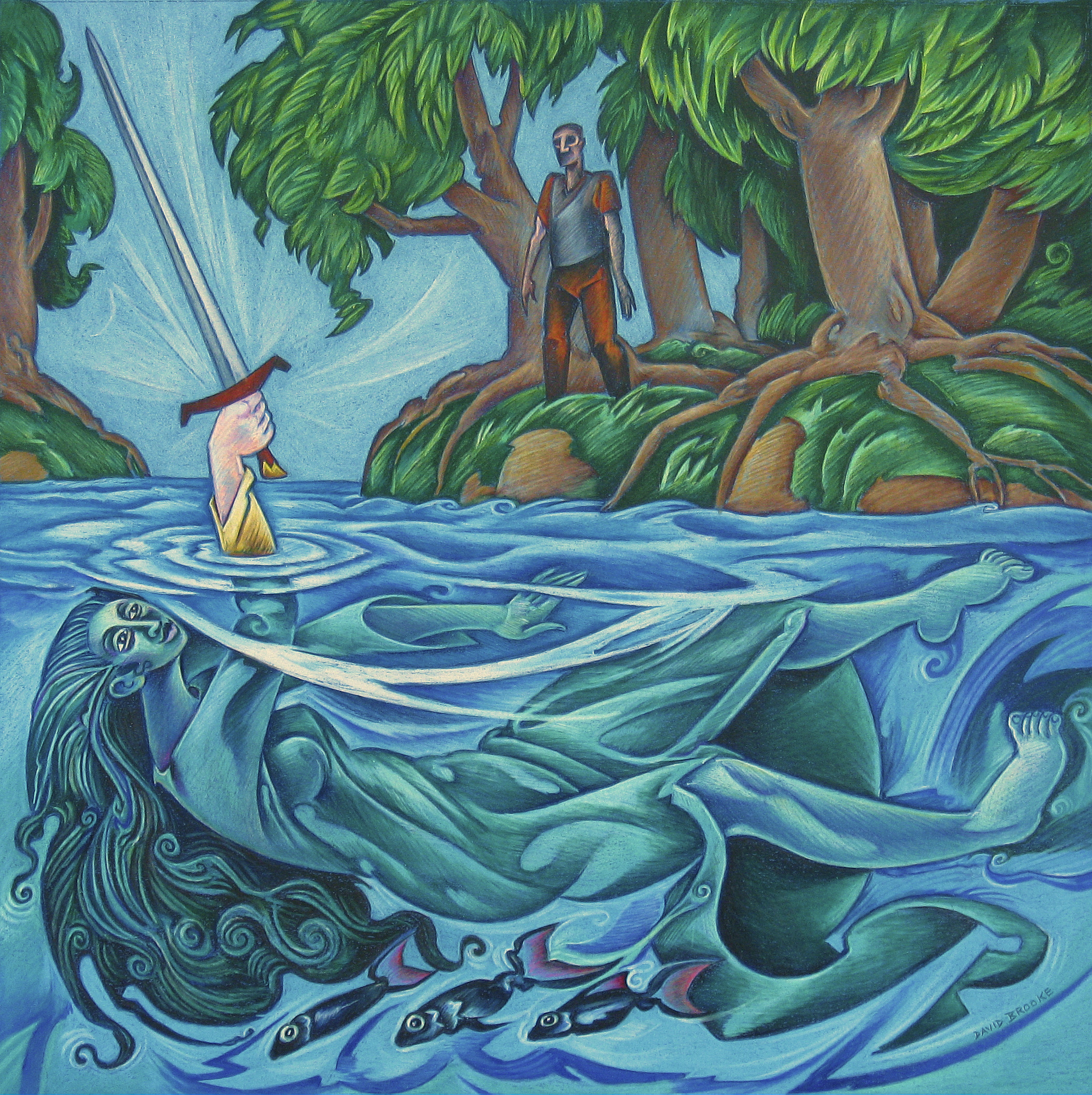
The theme is very clear: it explains the great celebration after Merlin delivered Excalibur to King Uther and the great subsequent banquet of medieval cuisine. It should be noted here that medieval cuisine includes foods, eating habits, and cooking methods of various European cultures during the Middle Ages, which lasted from the fifth to the fifteenth century. During this period, diets and cooking changed less than they did in the early modern period that followed, when those changes helped lay the foundations for modern European cuisine. Cereals remained the most important staple during the early Middle Ages as rice was introduced late, and the potato was only introduced in 1536, with a much later date for widespread consumption. Barley, oat and rye were eaten by the poor. Wheat was for the governing classes. These were consumed as bread, porridge, gruel and pasta by all of society’s members. Fava beans and vegetables were important supplements to the cereal-based diet of the lower orders. (Phaseolus beans, today the “common bean”, were of New World origin and were introduced after the Columbian exchange in the 16th century.)
Meat was more expensive and therefore more prestigious. Game, a form of meat acquired from hunting, was common only on the nobility’s tables. The most prevalent butcher’s meats were pork, chicken and other domestic fowl; beef, which required greater investment in land, was less common. Cod and herring were mainstays among the northern populations; dried, smoked or salted, they made their way far inland, but a wide variety of other saltwater and freshwater fish was also eaten.
The knot of the poem is the story of how the knights got the sword, and that brings us to the 6th poem, in which Sir Morien was in charge of retelling the event. It perfectly fits the fact that at the end of this poem, the squire is knighted, but it is very strange that it is Uther himself who knights Sir Morien. Is it possible that it is a dream or invention? Or did Sir Morien really have great support for this appointment? It could be thanks to Earl Roderick or even to the intercession of his battle comrades. No doubt the highlight of the poem is the metaphor used in the penultimate stanza, which tells that ” th’re w’re two kings in the vale” referring to himself and King Uther. Are we facing a knight who sins of pride or is someone else telling this story? Could it be Sir Neylin’s squire, who was also there? We will continue investigating.
El poema tiene de nuevo una métrica específica que difiere de las anteriores. Se trata de una rima gemela AABB en estrofas de cuatro versos sin contaje de sílabas. No es muy sofisticada pero recordemos que estos versos proceden del siglo V, o por lo menos eso quiere hacer creer el que lo escribió, ya que encontramos discrepancias en la narrativa y el estilo.
La temática es muy clara: nos explica la gran celebración tras la entrega de Excalibur por parte de Merlín al rey Uther y el gran banquete posterior. Cabe destacar aquí que la cocina medieval incluye alimentos, hábitos alimenticios y métodos de cocina de diversas culturas europeas durante la Edad Media, que duró desde el siglo V hasta el siglo XV. Durante este período, las dietas y la cocina cambiaron menos que en el período moderno temprano posterior, cuando esos cambios ayudaron a sentar las bases de la cocina europea moderna. Los cereales siguieron siendo el alimento básico más importante durante la Edad Media, ya que el arroz se introdujo tarde, y la patata apareció en 1536, con una fecha mucho más tardía de consumo generalizado. Los pobres comían cebada, avena y centeno. El trigo era para las clases gobernantes. Todos los miembros de la sociedad lo consumían en forma de pan, gachas, papilla y pasta. Las habas y las verduras eran suplementos importantes para la dieta a base de cereales de las órdenes inferiores. (Las judías Phaseolus, o “haba común”, proceden del Nuevo Mundo y se introdujeron después del intercambio colombino en el siglo XVI).
La carne era más cara y por lo tanto más prestigiosa. La carne de caza era común solo en las mesas de la nobleza. Las carnes de carnicero más frecuentes fueron el cerdo, el pollo y otras aves domésticas; la carne de res, que requería una mayor inversión en tierras, fue menos común. El bacalao y el arenque fueron los pilares de las poblaciones del norte; secos, ahumados o salados, se abrieron camino tierra adentro, pero también se consumió una gran variedad de peces de agua salada y de agua dulce.
El nudo del poema es el relato de cómo los caballeros obtuvieron la espada, y eso nos lleva al poema 6, donde Sir Morien era el encargado de relatar el evento. Encaja perfectamente el hecho de que al final de este poema, el escudero sea nombrado caballero, pero resulta muy extraño que sea el propio Uther el que nombre a Sir Morien. ¿Es posible que sea un sueño o invención? ¿O realmente Sir Morien tuvo un gran apoyo que le permitió este nombramiento? Podría ser gracias al conde Roderick o incluso a la intercesión de sus compañeros de batalla. Sin duda lo más destacado del poema es la metáfora empleada en la penúltima estrofa, donde narra que “fuimos dos reyes esa noche”, refiriéndose a él mismo y al propio rey Uther. ¿Estamos ante un caballero que peca de orgullo o ante el relato de otro? ¿Podría ser el escudero de Sir Neylin, que también estaba allí? Seguiremos investigando.





 Unearthing Pendragon